

Schedule a free consultation:
Westchester 914.644.4800 | New Jersey 973-305-3700 | Long Island 631-777-6400
Schedule a free consultation:
Westchester 914.644.4800
New Jersey 973-305-3700
Long Island 631-777-6400
If some rooms in your home feel hotter in summer, especially in the afternoon, sunlight is heating them through the windows.
In the Northeast, summers bring strong sun, high humidity, and long days. If you do not manage heat gain, it can hurt comfort and efficiency. It can:
The good news is that there are proven strategies to reduce heat gain through windows, ranging from simple adjustments to long-term upgrades.
Let’s break down the most effective options.
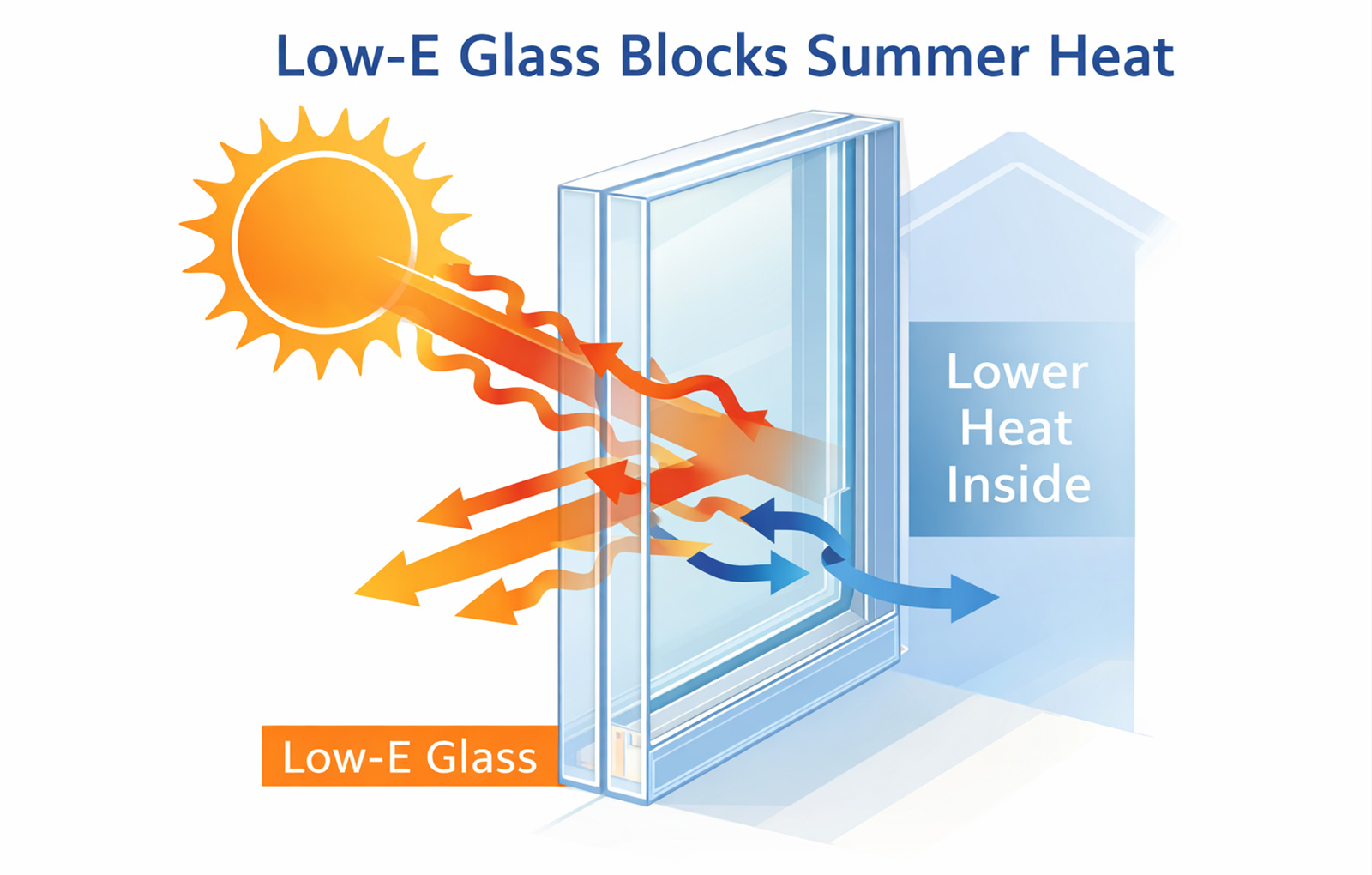
The most effective way to reduce heat gain through windows is to block sunlight before it reaches the glass.
Once solar radiation passes through the window, it becomes significantly harder to control. That’s why exterior solutions provide the strongest performance.
Awnings
Properly installed awnings can reduce solar heat gain by up to 77% on south-facing windows. They’re especially effective during peak summer sun and can noticeably lower indoor temperatures.
Solar Screens
These exterior mesh screens can block 60–90% of solar heat while still allowing airflow and preserving visibility. They’re a practical option for homeowners looking to improve comfort without replacing windows.
Exterior Shutters or Blinds
Exterior shutters and blinds create a physical barrier that prevents sunlight from reaching the glass altogether. This makes them one of the most effective ways to reduce heat buildup inside your home.
If maximizing performance is your goal, this is where you should focus first.


Cellular (Honeycomb) Shades
These shades trap air within their layered structure, reducing heat transfer and cutting solar gain by up to 60%. They are one of the most effective interior solutions available.
Thermal or Blackout Curtains
Light-colored curtains with reflective backing work well, as they reflect sunlight away from the room. When closed during peak hours, they can reduce heat gain by 30–35%.
Reflective Blinds
Adjustable blinds allow you to redirect sunlight toward ceilings, reducing direct heat buildup while still maintaining natural light.
While interior solutions are not as powerful as exterior ones, they play an important supporting role in improving comfort.
Window performance is ultimately driven by the glass. If your windows are old, upgrading the glass can improve efficiency and reduce heat gain over time.
Low-E Window Films
These films can be applied to existing windows and block 70–80% of solar heat gain. They’re a cost-effective way to improve performance without a full replacement.
Low-E Glass Windows
Modern low-e glass windows reflect infrared heat outward. They still let natural light enter your home.
They provide:
For homeowners facing ongoing heat problems, upgrading to low-e glass windows is a complete and effective solution.
Not all windows contribute equally to heat gain. Understanding how sunlight interacts with your home helps you prioritize improvements.
Focusing on the right windows ensures you get the greatest impact from your efforts.
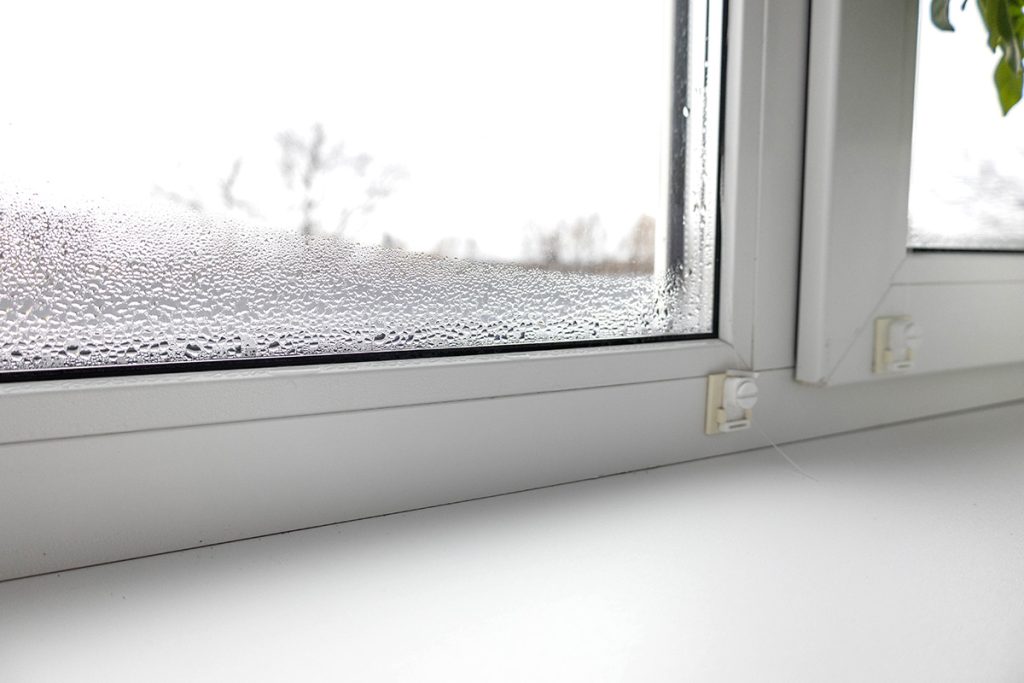
Sealing these gaps helps reduce unnecessary heat entry and can further lower your energy bills.
Some of the simplest changes can deliver immediate results when trying to reduce heat gain through windows.
These small adjustments can make a noticeable difference in comfort without any upfront cost.
Without proper window management, these conditions can lead to overheating, inconsistent indoor temperatures, and rising energy bills.
Taking steps to reduce heat gain through windows improves both comfort and overall energy efficiency.
No single solution will eliminate heat gain.
The most effective approach combines multiple layers of protection:
This layered strategy delivers the best overall performance and helps maintain a more comfortable indoor environment throughout the summer.
At Authentic Window Design, we help homeowners in Westchester County, Long Island, and Northern New Jersey.
We improve comfort, efficiency, and long-term performance.
We offer:
If you’re ready to reduce heat gain, improve comfort, and lower your energy bills, our team is here to help.
Visit www.authenticwindow.com to explore your options or schedule a consultation.

Homeowner
Authentic Window Design made the entire window replacement process seamless from start to finish. The new windows not only look stunning but have also made our home more comfortable and energy efficient. I couldn’t be happier with the quality, craftsmanship, and professionalism of their team..