

Schedule a free consultation:
Westchester 914.644.4800 | New Jersey 973-305-3700 | Long Island 631-777-6400
Schedule a free consultation:
Westchester 914.644.4800
New Jersey 973-305-3700
Long Island 631-777-6400
Owning a historic home in the Northeast comes with responsibility. Craftsmen built these homes with craftsmanship and detail that modern construction rarely matches.
That includes the original windows.
Most historic homes have non-standard window openings and custom millwork. Because of this, window replacement requires careful planning and precise sizing.
The good news is that today’s best window options for historic homes help homeowners keep a historic look. They also improve modern performance standards.
Homeowners researching the best custom windows for historic homes are often trying to balance preservation with performance. In the Northeast, where strict historic district guidelines and harsh seasonal weather intersect, historic home window replacement requires more than a standard solution. Custom sizing, accurate detailing, and material selection must work together to protect architectural character while meeting modern energy standards.
A common mistake in historic homes is trying to put standard-sized replacement units into original openings.
This often leads to:
The result may technically fit, but it rarely looks right.
Custom windows built to match the original dimensions, sash profiles, and sightlines protect architectural integrity. For historic homes, precision is not optional — it is essential.
Manufacturers such as Marvin and Norwood specialize in custom sizing and historically accurate detailing. Designers frequently specify these brands for high-end projects throughout the Northeast.

When homeowners want historically accurate results, wood windows remain the top choice.
Wood allows manufacturers to replicate:
Many historic homes feature double hung windows with multi-light configurations such as 6-over-6 or 9-over-9. Wood makes it possible to reproduce these classic window styles precisely.
Modern wood windows include advanced weatherstripping and insulated glass. Many feature Low-E coatings and gas fills. These upgrades improve comfort while preserving the original appearance.
Best for: Landmark properties, strict historic districts, and homeowners prioritizing authenticity.

Aluminum-clad wood windows combine a natural wood interior with a protective exterior shell. This design maintains historic character inside while resisting moisture, rot, and harsh weather outside.
In the Northeast, homes must withstand:
Aluminum cladding reduces maintenance while preserving historically accurate interior detailing.
Best for: Homeowners who want wood aesthetics with lower exterior upkeep.
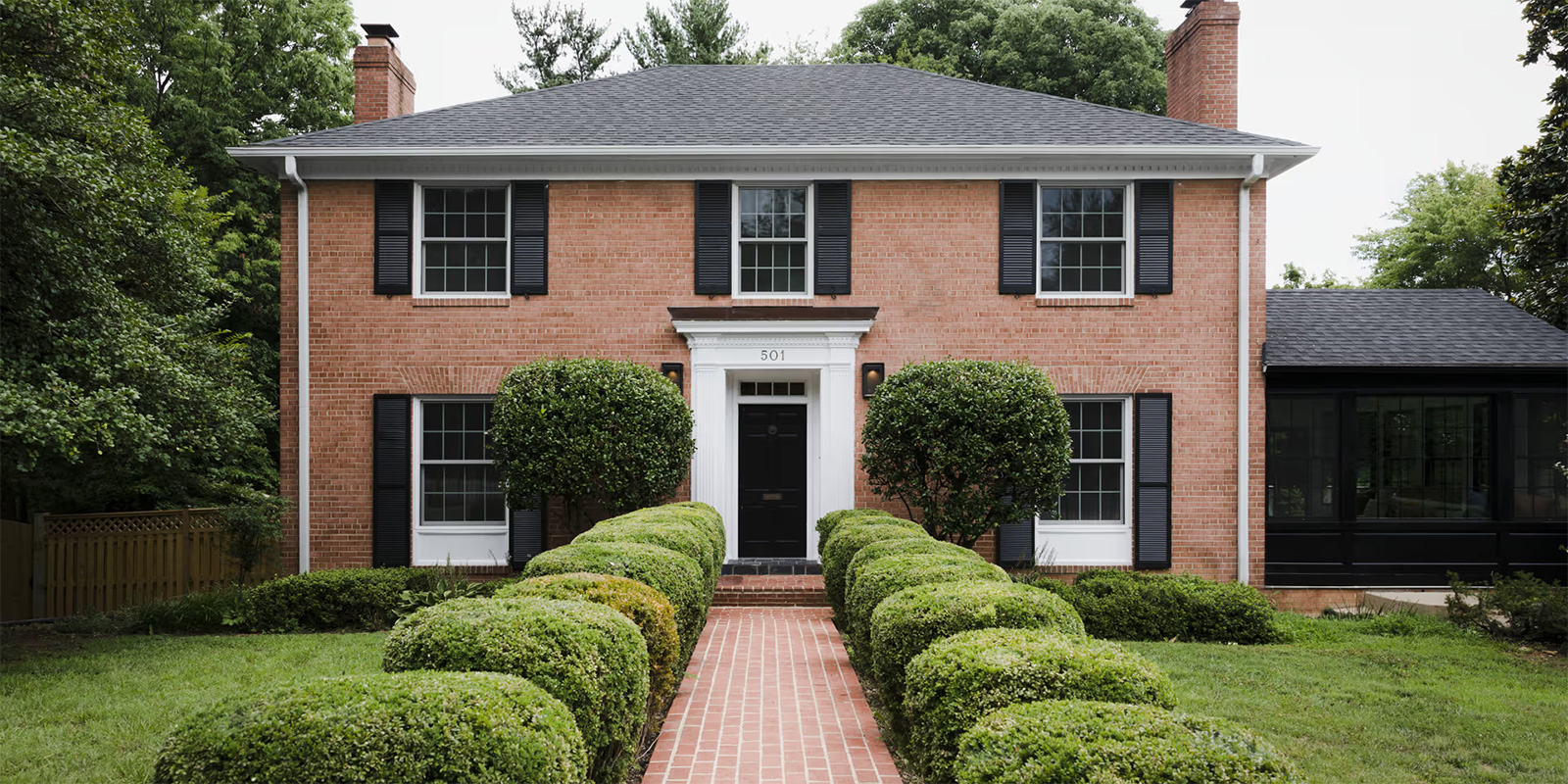
Fiberglass and composite materials offer strength, stability, and minimal expansion and contraction. Some manufacturers design these products to mimic traditional wood textures and colors.
Advantages include:
However, profiles may be slightly thicker than true wood. In strict historic districts, authorities do not always approve these materials.
Best for: Historic homes outside landmark districts where durability and efficiency are primary goals.
Vinyl windows have improved in recent years. However, they often struggle to replicate:
For homeowners seeking historically accurate results, vinyl can appear out of place. It is affordable. However, people do not often consider it a good option for historic homes that need preservation.
Best for: Budget-driven projects where historic detailing is less critical.
Material selection is only part of the equation. The success of windows replacing projects depends heavily on accurate design details.
Selecting the correct window styles ensures the replacement blends seamlessly with the original architecture.
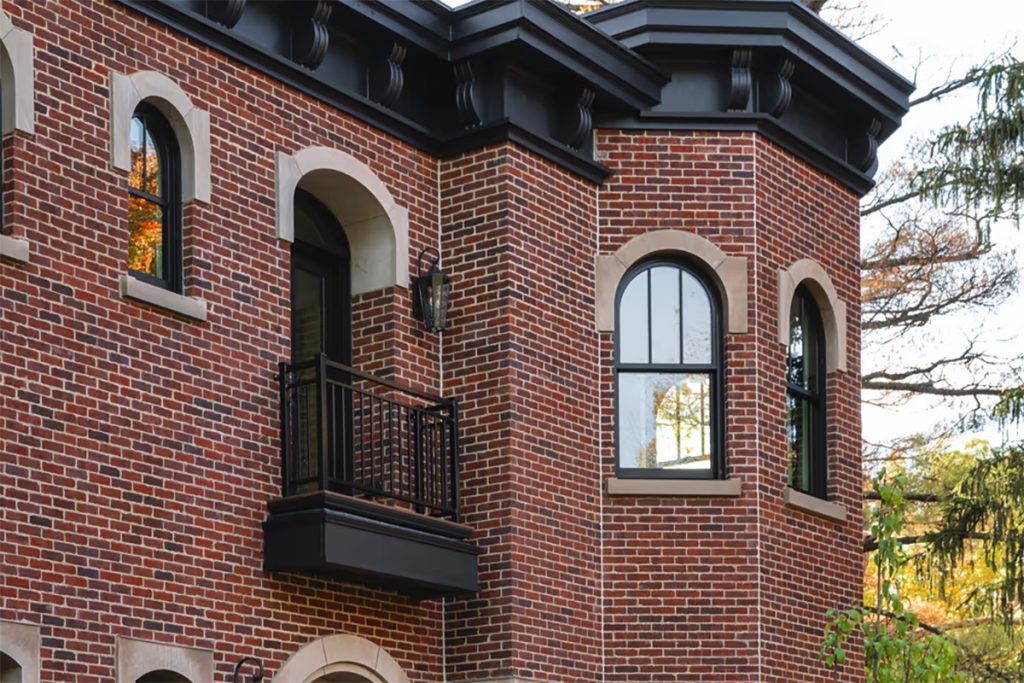
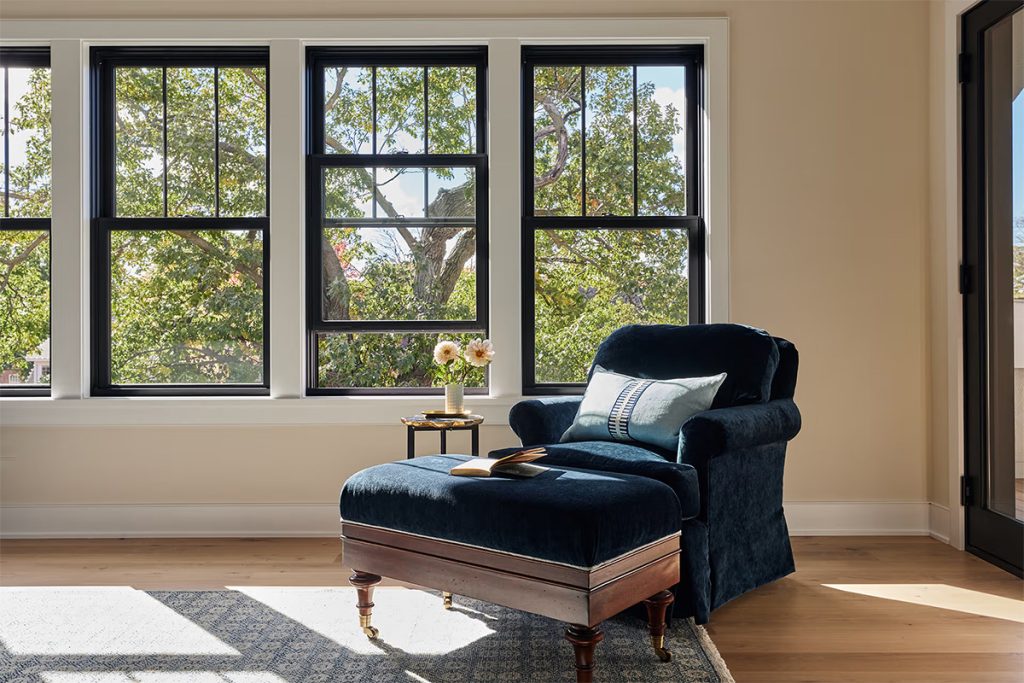
To replicate historic glass appearance, consider:
True Divided Light (TDL): Individual panes separated by muntins. This is the most historically accurate solution.
Simulated Divided Light (SDL): Grilles applied to both sides of insulated glass with a spacer bar between panes. This option offers improved energy performance while maintaining a traditional look.
Both can be effective when designed correctly.
Historic homes were designed with:
Even small changes in proportion can alter the appearance of a historic home. Details matter.
Some manufacturers also offer subtly textured glass that mimics antique glazing while incorporating modern insulated glass technology.
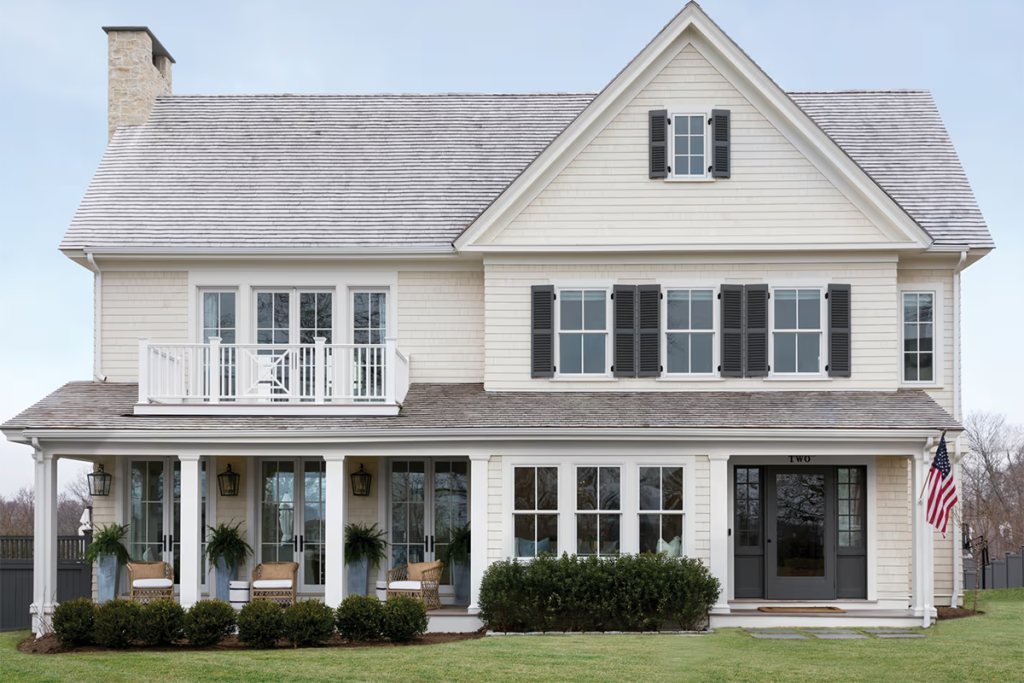
Homes located in Northeast historic districts often require approval before window replacement begins.
Local preservation commissions often require:
In some cases, the best solution is not replacing the original windows at all.
Historic wood windows can often be restored with:
Restoration maintains original craftsmanship while improving comfort. A professional evaluation helps determine whether repair or full replacement is the better investment.
The best window options for historic homes focus on three things: custom sizing, accurate detailing, and modern performance.
Shortcuts, such as resizing openings or installing stock units, may reduce upfront cost. However, they permanently alter historic homes and diminish architectural value.
Precision matters. Details matter. Authenticity matters.

Homeowner
Authentic Window Design made the entire window replacement process seamless from start to finish. The new windows not only look stunning but have also made our home more comfortable and energy efficient. I couldn’t be happier with the quality, craftsmanship, and professionalism of their team..